our blog

Agentic AI Explained For Modern Businesses

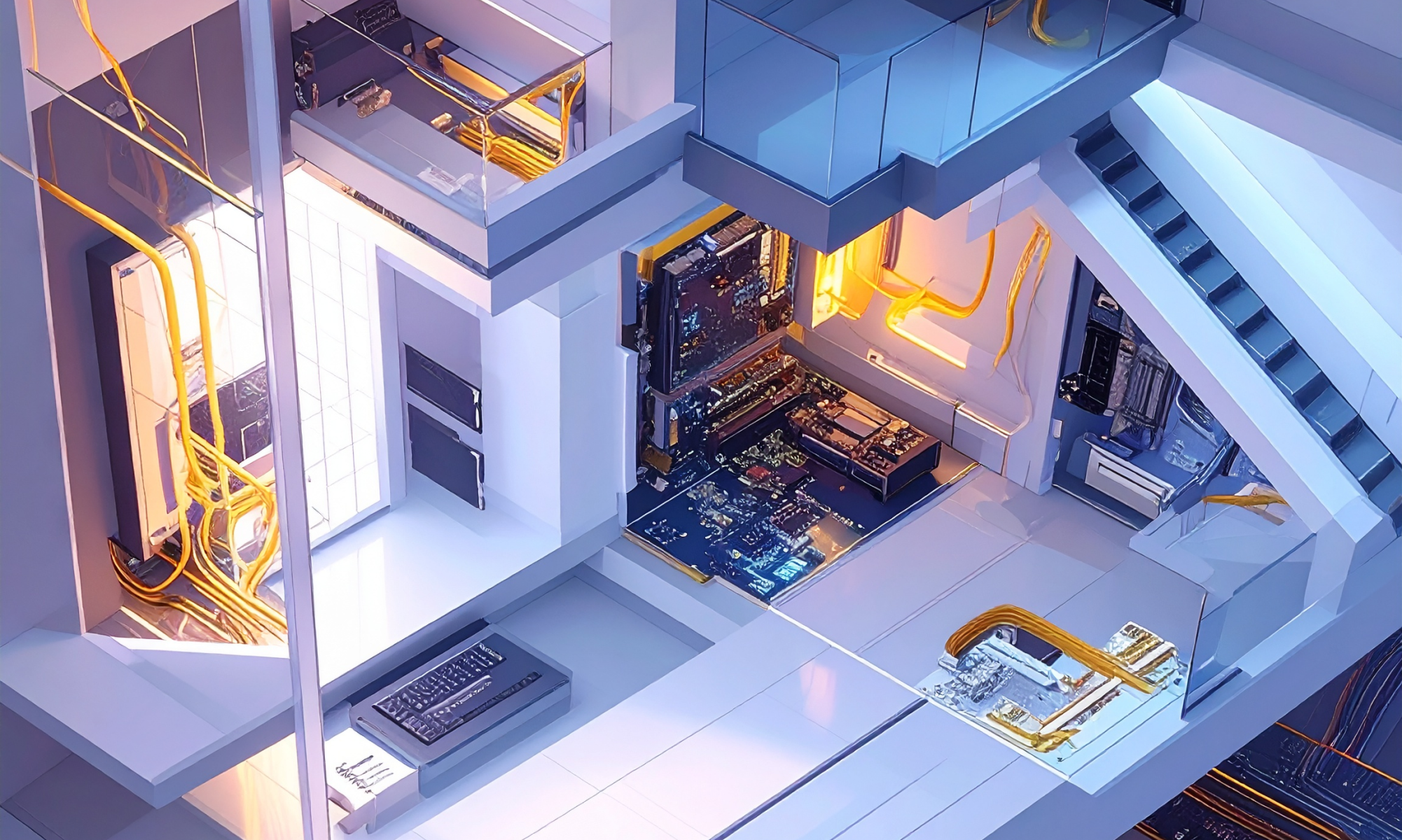
Illustration of agentic AI assisting business teams with multi-step tasks while humans oversee key decisions

Agentic AI is best understood as a way of getting predictable work done without someone having to manage every step.

At a practical level, it describes systems that work towards a goal across several steps, operating within clear boundaries set by people. The aim is to take care of structured, repeatable work so teams can focus their time on decisions that need experience, judgement and context.

Much of the uncertainty around agentic AI comes from how broadly the term is used. Some people picture highly autonomous systems acting independently, while others think of tools that simply assist humans as they work. In practice, agentic AI usually sits somewhere between these interpretations. Its value comes from having a clearly defined role rather than trying to do everything.

Agents are driven by outcomes. You describe the result you want and the limits they must work within and the system determines how to get there. This might involve gathering information, completing tasks in sequence or adjusting its approach when inputs change. 

Compared to traditional automation, where every step must be specified upfront, agents allow for more flexibility while still behaving in a predictable way.

People remain an important part of the process. Oversight is built in so outputs can be reviewed and key actions approved. This helps teams build confidence in the system and ensures accountability. Many organisations already follow similar approaches in areas where accuracy and reliability matter, with work completed by one person and checked by another before it moves forward.

Agentic AI tends to be most effective in areas where work follows a clear pattern but involves multiple steps. Examples include routine reporting, competitor monitoring, gathering product feedback or bringing together information from several systems. By taking care of this work, agents give teams more space to focus on interpreting insights, making decisions and acting on them.

How an agent is designed makes a significant difference to its success. Clear boundaries help everyone understand what it is responsible for, when human input is needed and how uncertainty is handled. Defining escalation points and handovers upfront leads to more reliable outcomes than giving agents broad or loosely defined responsibilities.

At Studio Graphene, we have found that clarity is what builds trust. When teams understand where an agent fits, what it can do and when they are expected to step in, autonomy becomes a strength rather than a risk. Approached this way, agentic AI becomes a practical and dependable part of everyday work, supporting people and improving efficiency.


spread the word, spread the word, spread the word, spread the word,
Illustration showing AI tools integrated into a workflow, with humans reviewing outputs and making decisions at key points.
AI

Orchestrating AI for Smarter Workflows

Illustration showing AI handling complex, uncertain tasks while predictable processes use rules-based systems.
AI

When to Use AI and When Not To

AI-driven software development shifting requirements from detailed documentation to rapid iteration and smarter effort
AI

Why AI Is Changing How Software Requirements Are Written

Workflow diagram illustrating AI agents producing outputs with human oversight and structured intervention points
AI

When AI Agents Get It Wrong

Workflow diagram showing multiple AI agents being monitored with human oversight
AI

Running AI Agents Reliably in Production

Orchestrating AI for Smarter Workflows

Illustration showing AI tools integrated into a workflow, with humans reviewing outputs and making decisions at key points.
AI

Orchestrating AI for Smarter Workflows

When to Use AI and When Not To

Illustration showing AI handling complex, uncertain tasks while predictable processes use rules-based systems.
AI

When to Use AI and When Not To

Why AI Is Changing How Software Requirements Are Written

AI-driven software development shifting requirements from detailed documentation to rapid iteration and smarter effort
AI

Why AI Is Changing How Software Requirements Are Written

When AI Agents Get It Wrong

Workflow diagram illustrating AI agents producing outputs with human oversight and structured intervention points
AI

When AI Agents Get It Wrong

Running AI Agents Reliably in Production

Workflow diagram showing multiple AI agents being monitored with human oversight
AI

Running AI Agents Reliably in Production

Orchestrating AI for Smarter Workflows

Illustration showing AI tools integrated into a workflow, with humans reviewing outputs and making decisions at key points.

When to Use AI and When Not To

Illustration showing AI handling complex, uncertain tasks while predictable processes use rules-based systems.

Why AI Is Changing How Software Requirements Are Written

AI-driven software development shifting requirements from detailed documentation to rapid iteration and smarter effort

When AI Agents Get It Wrong

Workflow diagram illustrating AI agents producing outputs with human oversight and structured intervention points

Running AI Agents Reliably in Production

Workflow diagram showing multiple AI agents being monitored with human oversight