our blog

From Code To Concepts: How AI Is Changing The Way We Interact With Technology
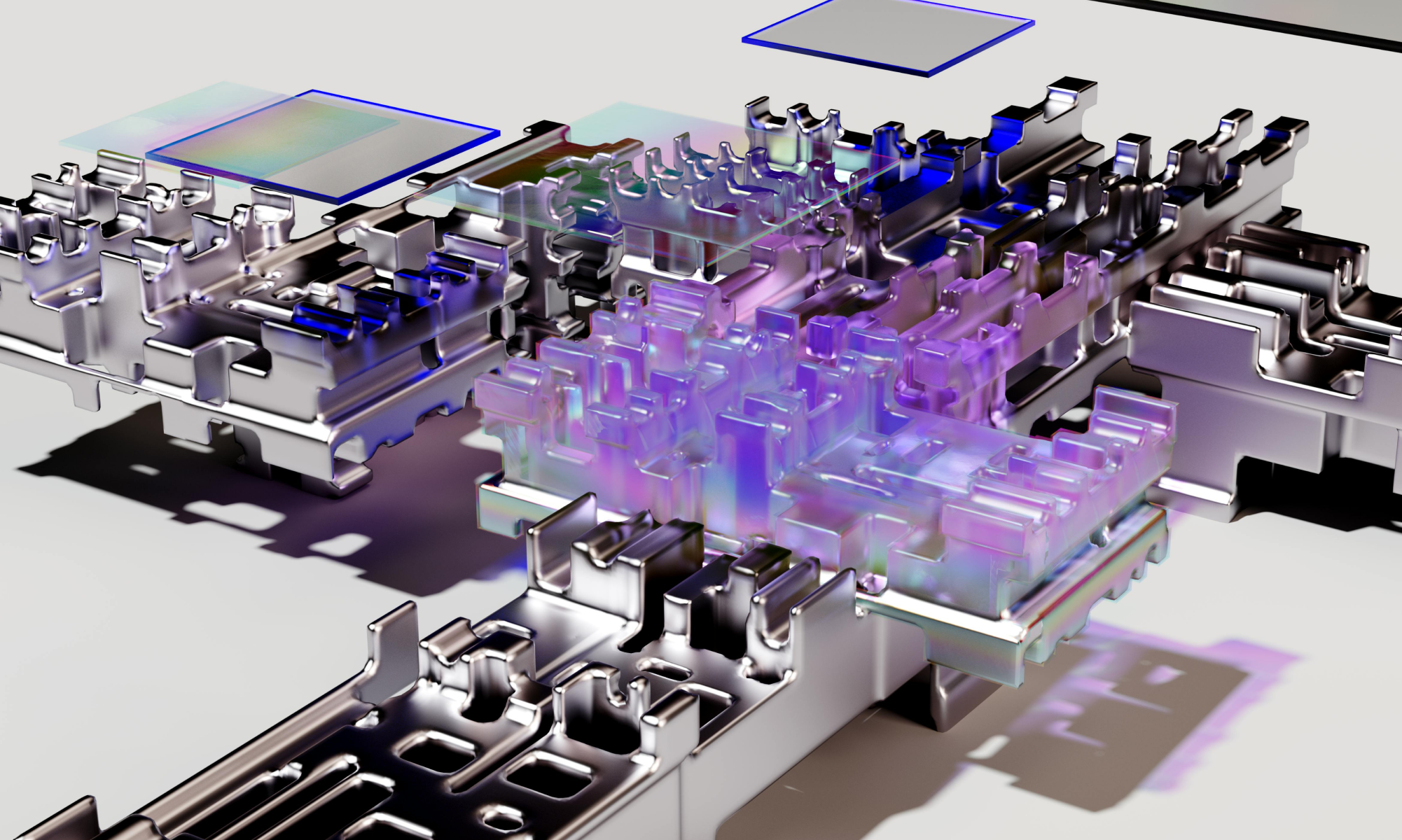
Abstract illustration of AI assistants transforming human–tech interaction

For decades, interacting with technology meant getting into very precise detail. Software demanded step by step instructions, rules spelled out in full and logic laid bare. To get a machine to do what we wanted, humans had to think in “zeros and ones” and operate at a very low level of abstraction. Every command, every interaction, required micromanagement.

AI is changing that. Instead of specifying every detail, we can now give broad intent, context or goals and let the system interpret and act. It’s a shift from managing instructions to communicating concepts. Suddenly, technology can bridge the gap from a 50,000 foot strategy down to actionable output.

This is great because it frees humans from mechanical detail, letting us focus on ideas, strategy and outcomes. AI fills in the missing steps, making technology more intuitive and accessible than ever before. Teams can therefore collaborate at a higher level, innovate faster and tackle problems from a perspective that used to feel out of reach. For organisations, that means less time tied up in repetitive detail and more capacity to focus on and deliver meaningful change.

It goes without saying, there are obviously pitfalls. Treating AI as just a tool to automate granular tasks, over-engineering prompts with unnecessary rules, or failing to trust the system to interpret high level intent can keep you stuck at the 1,000 foot view. If you never embrace abstraction, you miss out on the speed and creativity AI can unlock. Too much focus on the mechanics and the opportunity to think bigger is quickly lost.

The better approach is to start at the big picture. Frame interactions around desired outcomes, not individual steps. Refine gradually from 50,000 feet to 30,000 feet, rather than diving straight into the details and ask higher order questions, letting AI handle the details. The goal should be to help elevate human thinking.

At Studio Graphene, we help clients shift their mindset from technical detail to strategic intent. We design AI products that accept and interpret high level inputs, using abstraction to move ideas into working products faster. The result is technology that executes day to day tasks but in a way that feels collaborative. By combining our experience in building innovative digital products with applied AI, we create tools that fit seamlessly into the way teams already work - boosting speed, creativity and confidence.

spread the word, spread the word, spread the word, spread the word,
Illustration showing AI tools integrated into a workflow, with humans reviewing outputs and making decisions at key points.
AI

Orchestrating AI for Smarter Workflows

Illustration showing AI handling complex, uncertain tasks while predictable processes use rules-based systems.
AI

When to Use AI and When Not To

AI-driven software development shifting requirements from detailed documentation to rapid iteration and smarter effort
AI

Why AI Is Changing How Software Requirements Are Written

Workflow diagram illustrating AI agents producing outputs with human oversight and structured intervention points
AI

When AI Agents Get It Wrong

Workflow diagram showing multiple AI agents being monitored with human oversight
AI

Running AI Agents Reliably in Production

Orchestrating AI for Smarter Workflows

Illustration showing AI tools integrated into a workflow, with humans reviewing outputs and making decisions at key points.
AI

Orchestrating AI for Smarter Workflows

When to Use AI and When Not To

Illustration showing AI handling complex, uncertain tasks while predictable processes use rules-based systems.
AI

When to Use AI and When Not To

Why AI Is Changing How Software Requirements Are Written

AI-driven software development shifting requirements from detailed documentation to rapid iteration and smarter effort
AI

Why AI Is Changing How Software Requirements Are Written

When AI Agents Get It Wrong

Workflow diagram illustrating AI agents producing outputs with human oversight and structured intervention points
AI

When AI Agents Get It Wrong

Running AI Agents Reliably in Production

Workflow diagram showing multiple AI agents being monitored with human oversight
AI

Running AI Agents Reliably in Production

Orchestrating AI for Smarter Workflows

Illustration showing AI tools integrated into a workflow, with humans reviewing outputs and making decisions at key points.

When to Use AI and When Not To

Illustration showing AI handling complex, uncertain tasks while predictable processes use rules-based systems.

Why AI Is Changing How Software Requirements Are Written

AI-driven software development shifting requirements from detailed documentation to rapid iteration and smarter effort

When AI Agents Get It Wrong

Workflow diagram illustrating AI agents producing outputs with human oversight and structured intervention points

Running AI Agents Reliably in Production

Workflow diagram showing multiple AI agents being monitored with human oversight