our blog

Why AI Products Need Different UX Design Principles
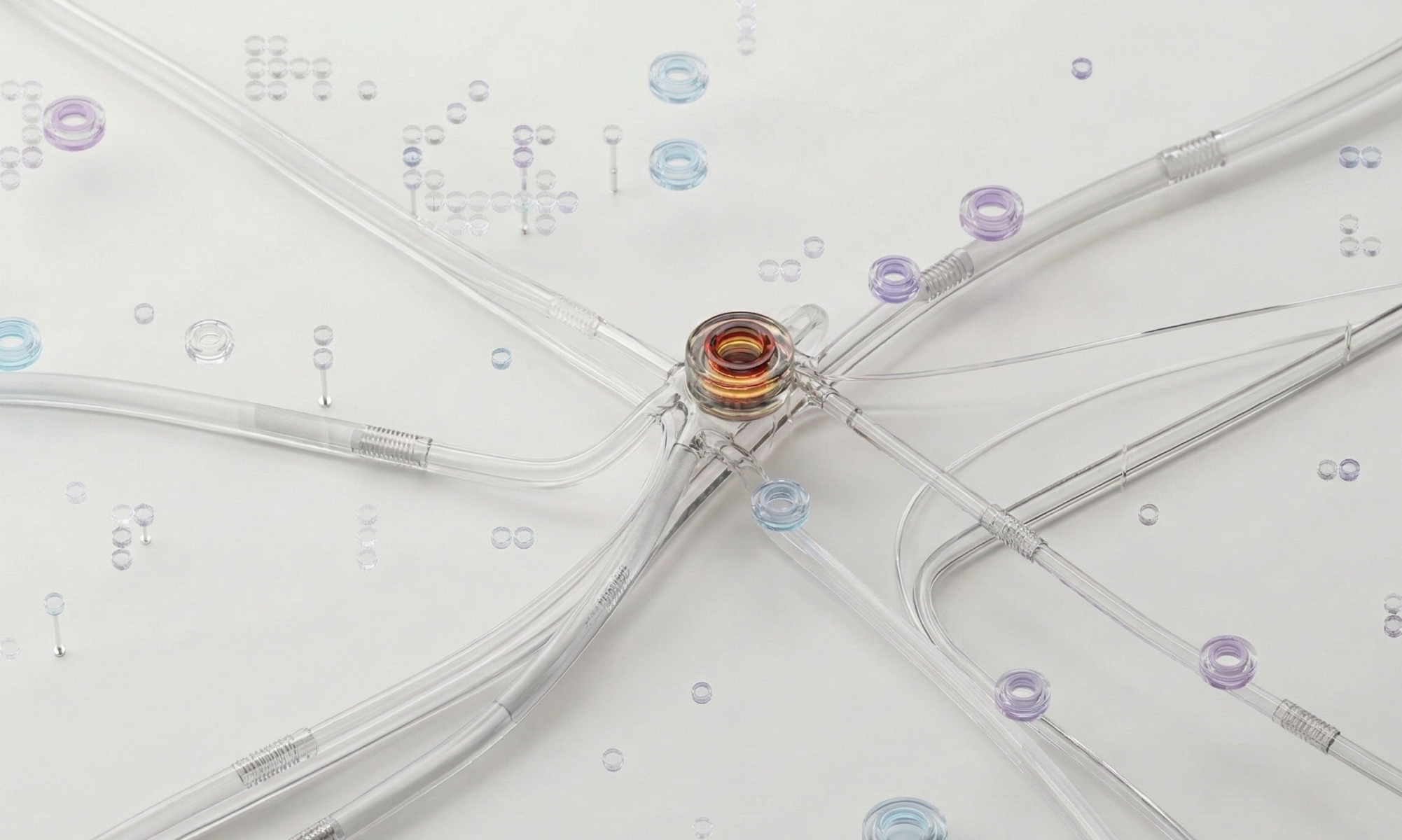
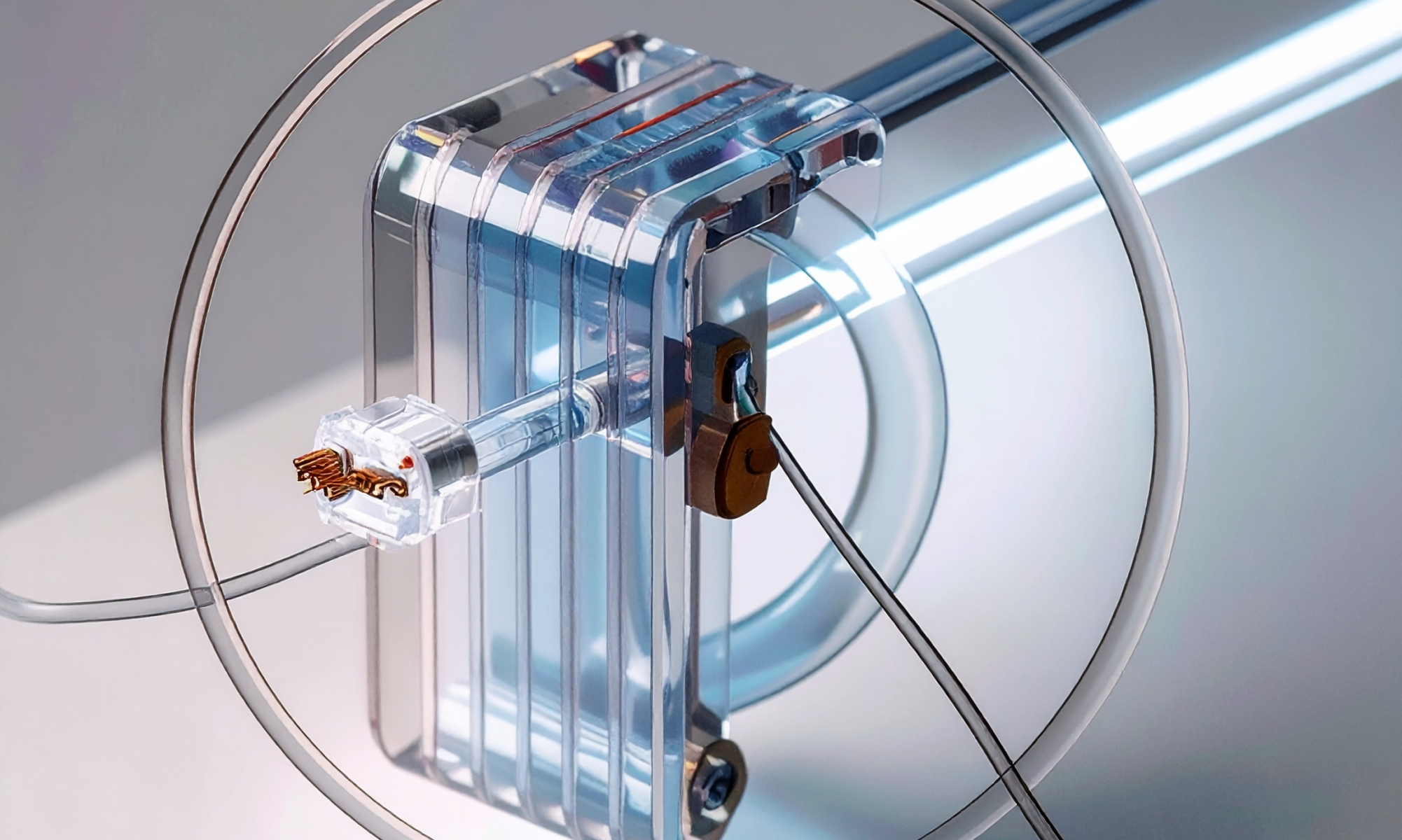
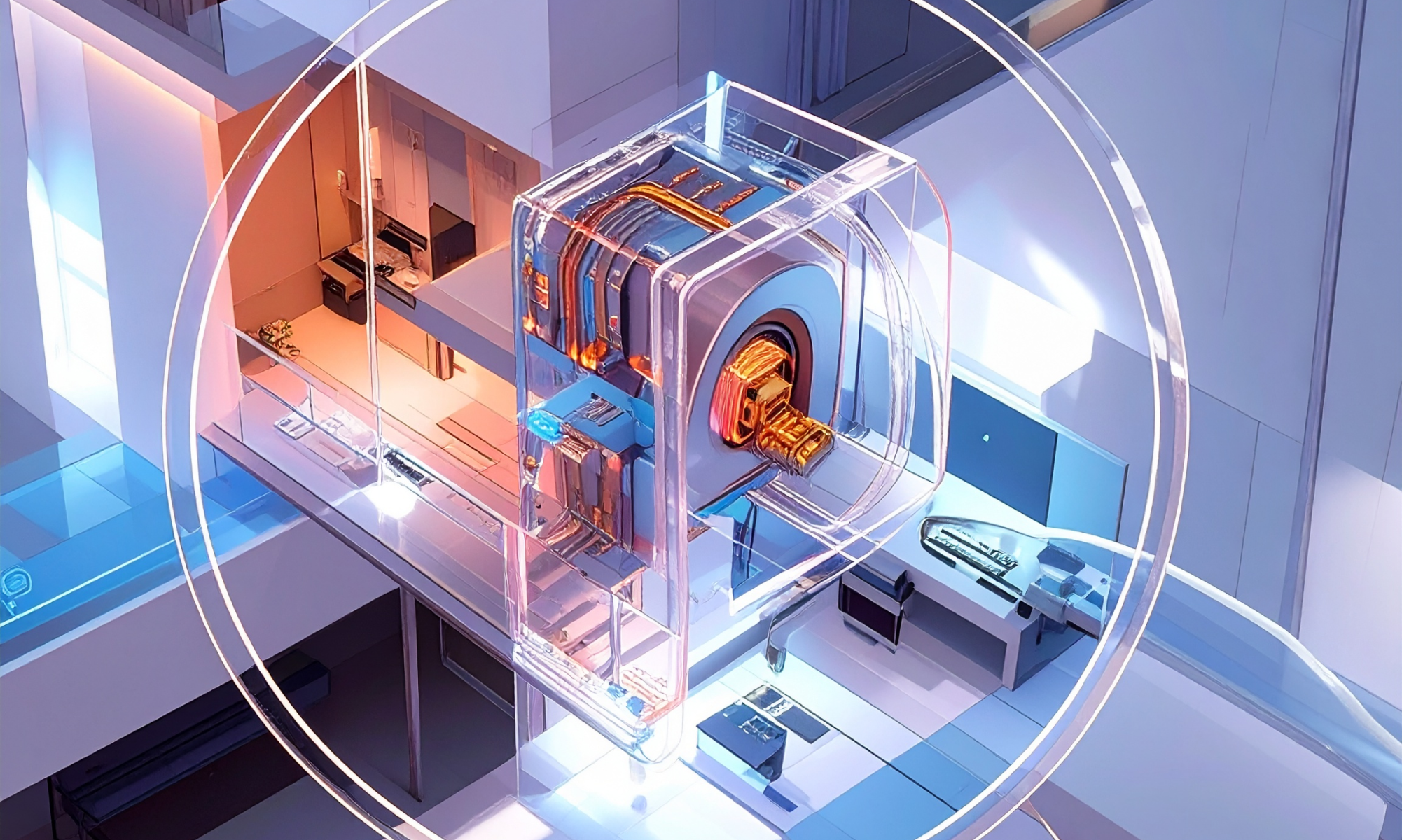
AI-generated illustration showing how UX design is evolving in AI products, with a balance between automation, trust, visibility and human control. The image represents the shift from traditional predictable software flows to more adaptive AI-driven experiences where clarity and recoverability are important to user confidence.

Good UX has traditionally been associated with making things feel faster, simpler and easier to move through. Fewer steps, less friction and more streamlined journeys have generally been treated as signs of a well designed product. In predictable systems, that usually works well because users understand what the system is doing and the product behaves in generally more consistent ways.

AI changes that because interactions are no longer entirely fixed or predefined. Traditional software typically follows structured flows and produces largely consistent outputs each time. AI systems behave differently. Outputs can change depending on context, phrasing, previous interactions or how the system interprets a request in that moment. The same interaction can produce different outcomes depending on the surrounding context, which starts to change what good UX actually means in practice.

Reducing friction is not always the right answer if users lose visibility into what the system is doing. Removing steps does not automatically create a better experience if people become less confident in the outcome. In many AI products, a small amount of friction can actually improve trust.

That is becoming more important as AI systems move beyond generating content and into operational workflows. Whether it is an AI assistant summarising customer conversations, recommending actions or triggering automated processes, users may not want to manually complete every step themselves, but they still need enough clarity to understand what is happening and enough control to step in when something does not feel right.

Most users do not want to inspect prompts, models or orchestration logic. What matters is whether the product gives them enough understanding to feel comfortable relying on it in practice. Sometimes that means surfacing confidence signals, explanations or clearer recovery paths when something behaves unexpectedly.

Many traditional UX patterns were built around making interaction feel almost invisible. AI products often need a different balance. If too much happens without enough visibility or context, the experience can quickly start to feel unclear or difficult to trust, even when the underlying system is technically performing well.

This becomes especially noticeable in operational systems handling customer support, internal workflows and decision making at scale. A product may appear highly efficient on the surface, but if users struggle to understand outcomes, correct mistakes or regain context when something goes wrong, confidence tends to break down quite quickly.

At Studio Graphene, we increasingly see AI product design shifting away from simplification alone. Speed and ease still matter, but so do clarity, trust and recoverability. As systems become more adaptive and autonomous, good UX is no longer only about reducing interaction. It is about helping people feel confident in what the system is doing and knowing they can step in when something does not look right.
spread the word, spread the word, spread the word, spread the word,
AI-generated illustration showing how UX design is evolving in AI products, with a balance between automation, trust, visibility and human control. The image represents the shift from traditional predictable software flows to more adaptive AI-driven experiences where clarity and recoverability are important to user confidence.
AI

Why AI Products Need Different UX Design Principles

Abstract illustration representing AI-driven product development, showing iterative cycles of building, testing and refining digital products.
AI

AI Has Made Product Iteration Faster. The Mindset Hasn’t Changed

Abstract visual showing interconnected digital teams, workflows and systems representing shared ownership and accountability in AI-native product environments
AI

AI-Native Products Are Changing Ownership Models In Digital Teams

Abstract visual representing AI-native product and service design with connected workflows, digital interfaces and operational systems working together
AI

AI-Native Products Are Blurring The Line Between Product And Service Design

Abstract representation of AI product design showing evolving digital interfaces and iterative system behaviour over time
AI

AI Products Don’t Stay Finished: Why Product Design Is Becoming More Iterative Than Ever

Why AI Products Need Different UX Design Principles

AI-generated illustration showing how UX design is evolving in AI products, with a balance between automation, trust, visibility and human control. The image represents the shift from traditional predictable software flows to more adaptive AI-driven experiences where clarity and recoverability are important to user confidence.
AI

Why AI Products Need Different UX Design Principles

AI Has Made Product Iteration Faster. The Mindset Hasn’t Changed

Abstract illustration representing AI-driven product development, showing iterative cycles of building, testing and refining digital products.
AI

AI Has Made Product Iteration Faster. The Mindset Hasn’t Changed

AI-Native Products Are Changing Ownership Models In Digital Teams

Abstract visual showing interconnected digital teams, workflows and systems representing shared ownership and accountability in AI-native product environments
AI

AI-Native Products Are Changing Ownership Models In Digital Teams

AI-Native Products Are Blurring The Line Between Product And Service Design

Abstract visual representing AI-native product and service design with connected workflows, digital interfaces and operational systems working together
AI

AI-Native Products Are Blurring The Line Between Product And Service Design

AI Products Don’t Stay Finished: Why Product Design Is Becoming More Iterative Than Ever

Abstract representation of AI product design showing evolving digital interfaces and iterative system behaviour over time
AI

AI Products Don’t Stay Finished: Why Product Design Is Becoming More Iterative Than Ever

Why AI Products Need Different UX Design Principles

AI-generated illustration showing how UX design is evolving in AI products, with a balance between automation, trust, visibility and human control. The image represents the shift from traditional predictable software flows to more adaptive AI-driven experiences where clarity and recoverability are important to user confidence.

AI Has Made Product Iteration Faster. The Mindset Hasn’t Changed

Abstract illustration representing AI-driven product development, showing iterative cycles of building, testing and refining digital products.

AI-Native Products Are Changing Ownership Models In Digital Teams

Abstract visual showing interconnected digital teams, workflows and systems representing shared ownership and accountability in AI-native product environments

AI-Native Products Are Blurring The Line Between Product And Service Design

Abstract visual representing AI-native product and service design with connected workflows, digital interfaces and operational systems working together

AI Products Don’t Stay Finished: Why Product Design Is Becoming More Iterative Than Ever

Abstract representation of AI product design showing evolving digital interfaces and iterative system behaviour over time